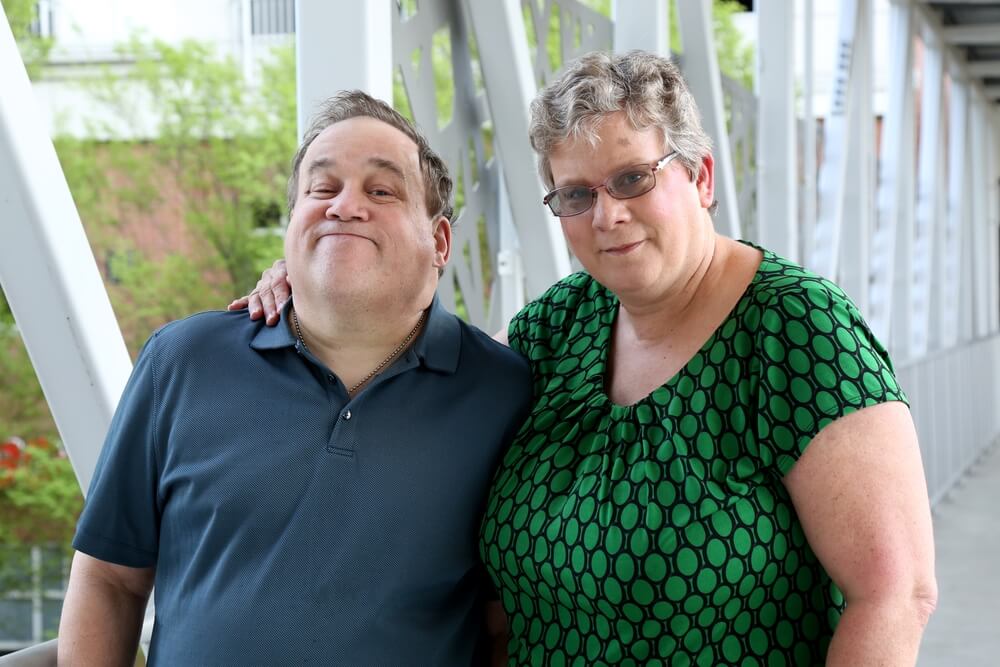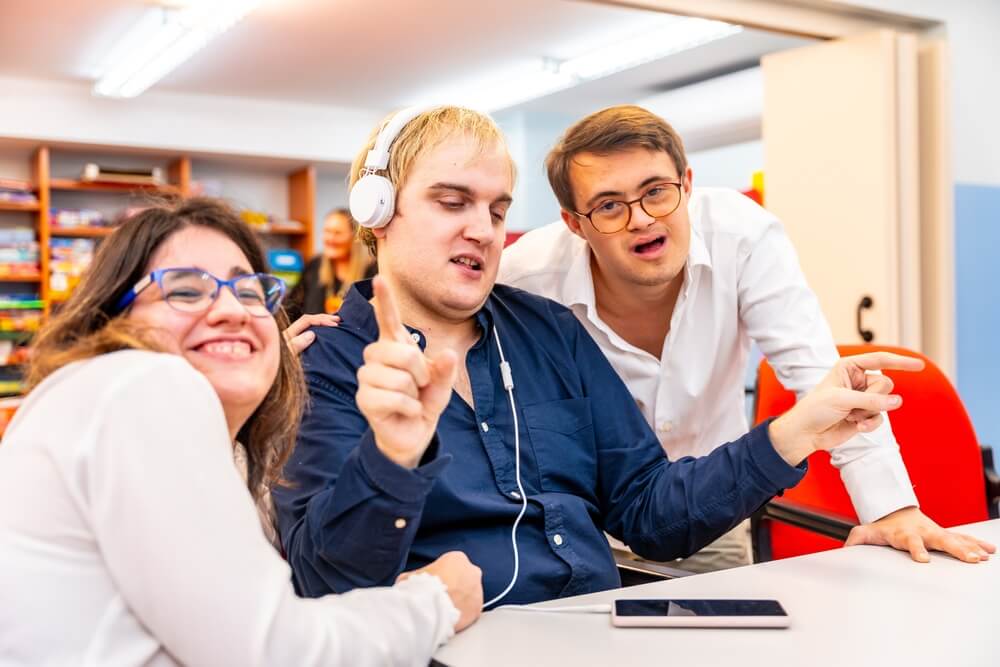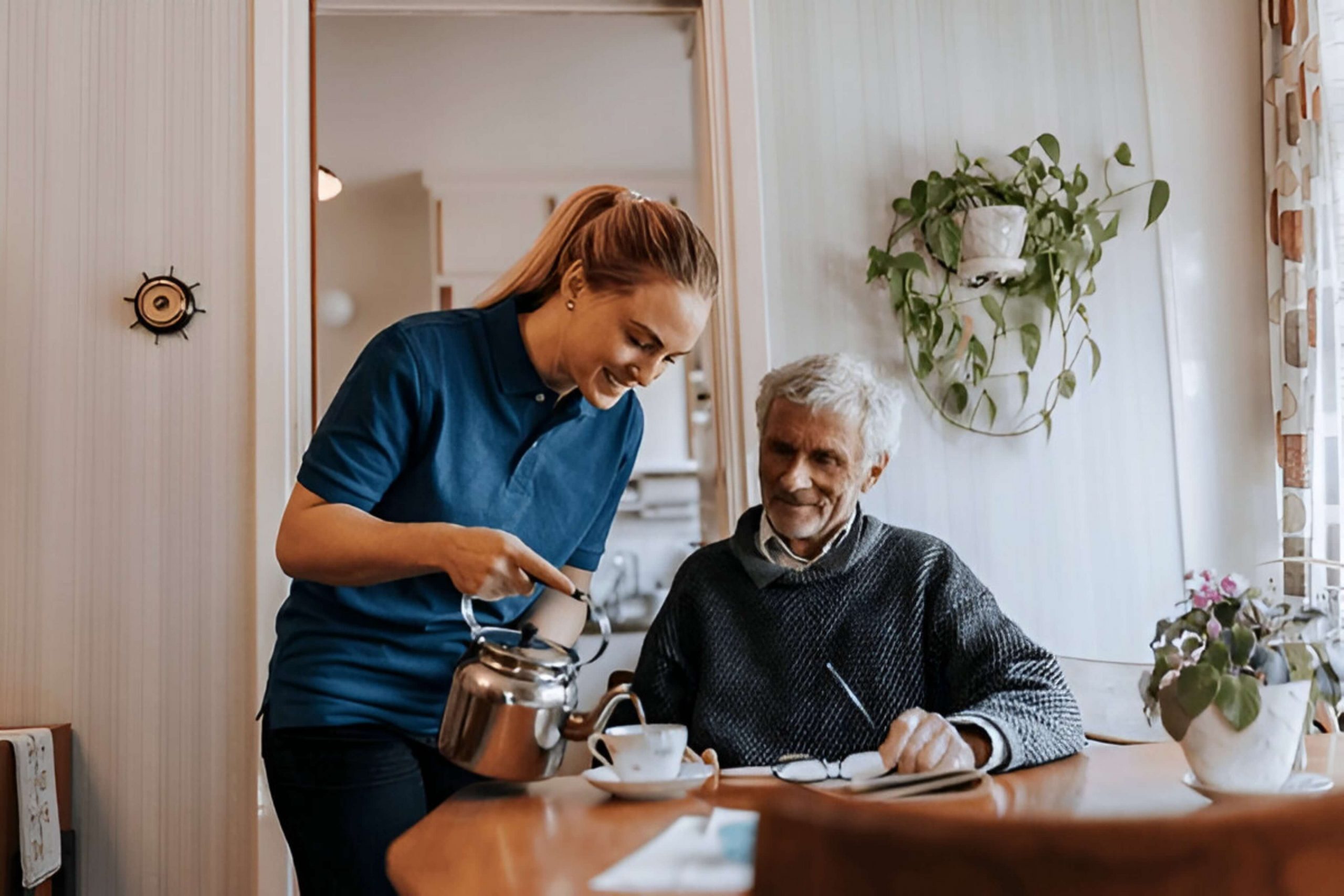
True belonging happens when we’re not just present in our communities, but actively woven into the fabric of daily life. For adults with intellectual developmental disabilities (IDD), community integration isn’t about special programs or separate spaces—it’s about opening doors to the same opportunities, relationships, and experiences that enrich everyone’s lives.
Beyond the Walls: Where Real Life Happens
Community integration starts with a simple but powerful belief: adults with IDD belong in the same places where everyone else lives, works, plays, and connects. This means supporting individuals to shop at their neighborhood grocery store, work alongside colleagues, attend community events, and build friendships that extend beyond disability services.
Take James, who works part-time at a local coffee shop. With the right support, he’s not just earning a paycheck, he’s become the team member who remembers every regular customer’s order, the one who brightens everyone’s morning with his genuine enthusiasm. His coworkers don’t see him as “the employee with a disability”; they see him as James, their colleague and friend who happens to make the best foam art in town.
The Magic of Natural Supports
The most meaningful community integration often happens through natural supports, the relationships and connections that develop organically when people share common interests, work together, or simply cross paths in daily life. These connections are incredibly powerful because they’re based on genuine compatibility and shared experiences rather than service arrangements.
When Maria joined her neighborhood book club, she wasn’t looking for disability services, she was pursuing her love of mystery novels. The friendships she’s built there have become some of her most treasured relationships. Her book club friends celebrate her insights, value her perspective, and include her in social activities that extend well beyond monthly meetings.
Creating Pathways, Not Barriers
Effective community integration requires thoughtful support that creates pathways rather than barriers. This might mean helping someone navigate public transportation to reach their volunteer position, providing communication support during community meetings, or working with local businesses to understand how they can welcome all community members.
The key is support that fades into the background, allowing the person’s personality, talents, and interests to take center stage. When David participates in his community garden, his neighbors see his knowledge of plants and his willingness to help others, not his intellectual disability.
The Community Benefits Everyone
Communities that embrace adults with IDD don’t just provide opportunities, they receive incredible gifts in return. People with intellectual developmental disabilities often bring qualities that strengthen community bonds: genuine warmth, loyalty, creativity, and the ability to find joy in simple moments.
Local businesses discover that employees with IDD often have exceptional attention to detail, strong work ethic, and the ability to connect authentically with customers. Volunteer organizations find dedicated members who show up consistently and bring enthusiasm to their missions. Neighbors discover friends who offer unique perspectives and unwavering kindness.
Building Bridges, Not Islands
True community integration happens when we build bridges instead of creating islands of separation. This means looking for ways to modify environments and approaches so everyone can participate, rather than creating special programs that inadvertently maintain separation.
A community theater that provides simple script modifications allows actors with IDD to participate in the same productions as everyone else. A fitness center that offers flexible instruction methods welcomes members with different learning styles. A faith community that embraces various forms of participation creates space for everyone to contribute their gifts.
The Ongoing Journey
Community integration isn’t a destination, it’s an ongoing journey of creating more inclusive, welcoming spaces where everyone belongs. It requires ongoing commitment from individuals, families, service providers, and community members working together to break down barriers and build connections.
When we get it right, something beautiful happens. Adults with IDD don’t just live in the community, they help create the kind of community where everyone wants to live. They remind us that diversity makes us stronger, that everyone has something valuable to contribute, and that belonging is a fundamental human need we all share.
The most integrated communities are those that recognize this simple truth: we all do better when we all belong.